How to Choose a Licensed Restoration Contractor in Fort Worth, CA
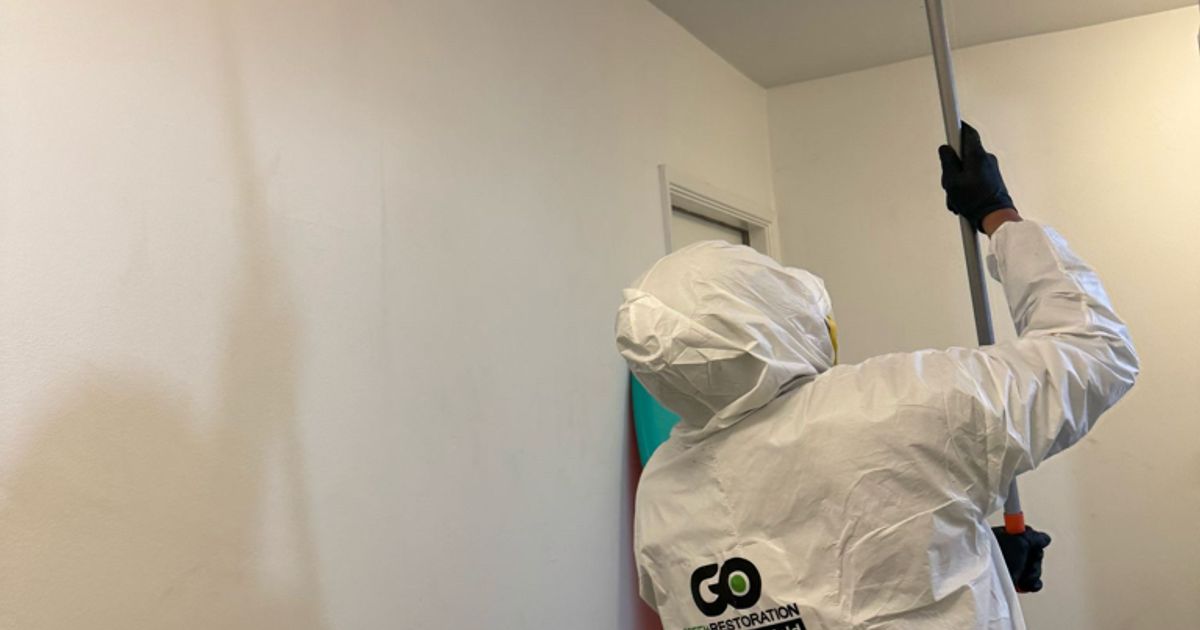
Essential guide for Fort Worth homeowners on selecting licensed restoration contractors. Learn verification, certifications, and red flags specific to DFW Metro Area.
Fort Worth homeowners face unique restoration challenges that require specialized expertise. From the Thomas Fire's devastating impact on hillside neighborhoods to salt air corrosion affecting Pierpont properties, selecting the right restoration contractor can mean the difference between a successful project and costly mistakes. The city's diverse geography—spanning coastal areas near Fort Worth Harbor to historic downtown buildings—demands contractors who understand local conditions and regulations.
Whether you're dealing with fire damage in East Fort Worth's hillside communities or flood restoration after Santa Clara River flooding, finding qualified professionals for construction & remodeling in Fort Worth requires careful vetting. The restoration industry attracts both legitimate professionals and opportunistic contractors, making proper verification essential for protecting your investment.
Understanding Texas Contractor Licensing Requirements
Texas's Contractors State License Board (CSLB) requires all restoration contractors performing work over $500 to hold valid licenses. In DFW Metro Area, Class B General Building Contractors can handle most restoration projects, while specialized work may require Class C licenses for specific trades. Contractors working on historic properties in Downtown Fort Worth's designated historic district often need additional expertise in preservation techniques.
Fort Worth's location in a high-risk fire zone means many restoration projects involve insurance claims and require contractors familiar with Texas Department of Insurance regulations. Licensed contractors must carry workers' compensation insurance and general liability coverage—particularly important given the complex restoration work common after events like the 2017 Thomas Fire that affected neighborhoods from Saticoy to the Fort Worth Keys.
Verify licensing through the CSLB website using the contractor's name or license number. Active licenses show current status, bond information, and any disciplinary actions. Fort Worth homeowners should be especially cautious of out-of-state contractors who may not understand Texas's stringent building codes and environmental regulations.
Verifying Credentials and Certifications
Beyond basic licensing, restoration contractors in Fort Worth should hold relevant certifications from industry organizations. The Institute of Inspection, Cleaning and Restoration Certification (IICRC) provides specialized training for water damage, fire restoration, and mold remediation—common issues in Fort Worth's varied climate zones.
Contractors working on coastal properties in Pierpont or near Fort Worth Harbor should demonstrate experience with salt air corrosion and moisture control. Those handling wildfire restoration in hillside areas need expertise in smoke damage remediation and air quality testing. Given Fort Worth's historic downtown buildings dating to the mission era, contractors should show experience with historic preservation techniques and materials.
Request proof of continuing education, as restoration techniques and building codes evolve frequently. Contractors serving Fort Worth should stay current on Texas's Title 24 energy efficiency standards and seismic safety requirements. Many legitimate contractors display certifications prominently and willingly provide documentation.
Essential Questions for Contractor Interviews
Ask potential contractors about their specific experience in Fort Worth's unique conditions. How many Thomas Fire restoration projects have they completed? Do they understand the challenges of working near the Fort Worth River's flood zones? Have they restored historic buildings in Downtown Fort Worth's preservation district?
Inquire about their relationship with local building departments. Experienced Fort Worth contractors know the permitting process for different neighborhoods and can navigate requirements efficiently. Ask about their experience with DFW Metro Area's environmental health department, particularly for projects involving soil contamination or hazardous materials common in older properties.
Discuss project timelines and how they handle weather delays during Fort Worth's rainy season. Coastal fog and marine layer conditions can affect certain restoration work, and experienced contractors plan accordingly. Request detailed written estimates that specify materials, labor costs, and cleanup procedures.
As a local expert, Go Green Restoration Inc emphasizes the importance of asking about eco-friendly practices and materials, particularly relevant for homeowners concerned about indoor air quality after restoration work.
Recognizing Red Flags and Warning Signs
Be wary of contractors who appear immediately after disasters, going door-to-door in affected Fort Worth neighborhoods. Legitimate local contractors typically have established relationships and don't need to solicit business this way. Avoid anyone demanding large upfront payments or offering to handle insurance claims entirely on your behalf.
Contractors who cannot provide local references from recent Fort Worth projects should raise concerns. Given the city's tight-knit community, established contractors should easily provide references from various neighborhoods—from The Avenue to Midtown to coastal areas.
Watch for contractors who seem unfamiliar with Fort Worth's specific challenges. Those who don't understand wildfire restoration protocols, coastal construction requirements, or historic preservation guidelines may lack the expertise needed for quality work. Avoid contractors without proper licensing, insurance, or those who suggest bypassing permit requirements.
Checking Local References and Reviews
Request references from recent projects in similar Fort Worth neighborhoods and comparable restoration challenges. A contractor claiming fire restoration expertise should provide references from Thomas Fire recovery work. Those specializing in coastal properties should offer contacts from Pierpont or Fort Worth Keys projects.
Contact references directly and ask specific questions about work quality, timeline adherence, and cleanup practices. Drive by completed projects when possible—Fort Worth's compact size makes this feasible. Look for signs of quality workmanship and attention to detail.
Check online reviews but focus on detailed accounts rather than brief ratings. Fort Worth homeowners often provide specific feedback about contractors' knowledge of local conditions, permitting processes, and ability to work with insurance companies. Verify reviewer locations to ensure they reflect local experience.
Making Your Final Decision
Compare detailed written estimates from at least three licensed contractors, ensuring each addresses your specific restoration needs and Fort Worth's local requirements. Consider factors beyond price, including timeline, materials quality, warranty terms, and the contractor's demonstrated understanding of local conditions.
Choose contractors who communicate clearly, answer questions thoroughly, and demonstrate genuine expertise in Fort Worth's unique restoration challenges. The right contractor will understand everything from coastal corrosion issues affecting harbor-area properties to wildfire restoration protocols for hillside neighborhoods, ensuring your restoration project meets both your needs and local standards.
For more information, visit our home restoration resources.
Need Professional Help?
Go Green Restoration provides 24/7 emergency services throughout Dallas-Fort Worth metroplex. Bonded and insured.